The surface is intentionally constructed so the middle of the road sits slightly higher than the sides. This creates a gentle slope that encourages water to move away from the travel path through gravity.
Road crown is one of the most fundamental principles in road construction and surface maintenance because drainage is critical to long-term surface performance and stability.
Without proper drainage:
- water can pool on the surface
- soil saturation may increase beneath the roadway
- erosion and material displacement may accelerate
- potholes, rutting, and surface breakdown become more likely over time
Road crown is used in:
- gravel roads
- dirt roads
- farm lanes
- driveways
- many paved road systems
Although the exact shape and slope vary depending on the application.
Simple Definition
Road crown is: the slightly elevated center profile of a road that helps direct water toward the sides for drainage.
The amount of crown is typically subtle rather than visually dramatic.
Why Roads Need Crown
Water is one of the primary causes of roadway deterioration.
If water remains on a road surface:
- surface materials may soften or loosen
- traffic loads can displace material more easily
- erosion risk increases
- potholes and rutting become more likely
Crown helps reduce standing water by encouraging runoff toward:
- road shoulders
- drainage ditches
- surrounding ground areas
This improves drainage efficiency and helps preserve surface structure.
How Road Crown Works
A crowned road is shaped so:
- the centerline sits highest
- both sides slope downward gradually
This creates lateral drainage flow.
When rain falls:
- gravity pulls water away from the center
- runoff moves toward the edges
- surface water exits the roadway more efficiently
The effectiveness of crown depends on:
- slope consistency
- road material
- compaction
- drainage maintenance
- weather conditions
Crown on Gravel Roads
Road crown is especially important on gravel roads because unbound aggregate surfaces are more vulnerable to water-related damage.
Without proper crown:
- water may infiltrate into the road structure more easily
- fines can migrate or wash away
- rutting may increase
- potholes may develop faster
On gravel roads, maintaining crown is often part of routine grading and reshaping operations.
Crown on Paved Roads
Paved roads also use crown for drainage, although the profile is sometimes less visually noticeable.
In paved systems:
- asphalt or concrete surfaces are still designed with slope
- drainage structures may assist runoff management
- crown works together with curbs, gutters, and stormwater systems
Even slight drainage failures can increase:
- standing water
- hydroplaning risk
- pavement deterioration over time
Road Crown vs Road Slope
Road crown specifically refers to the cross-sectional shape across the width of the road.
This is different from:
- longitudinal slope, which refers to uphill or downhill grade along the direction of travel.
A road may:
- slope uphill overall
- while still having crown across its width for drainage.
What Happens When Crown Is Lost?
Over time, traffic and weather can flatten road crown.
Common causes include:
- repeated vehicle traffic
- improper grading
- erosion
- material migration
- inadequate drainage maintenance
When crown disappears:
- water may stop draining effectively
- wheel tracks can trap moisture
- rutting often increases
This creates a cycle where: trapped water accelerates additional surface damage.
Common Crown Problems
Inverted crown
The center becomes lower than the wheel paths, trapping water in the middle of the road.
Rutting
Vehicle traffic compresses wheel paths, reducing drainage effectiveness.
Edge Buildup
Material accumulates near the road edges, preventing runoff from leaving the surface.
Excessive crown
Too much slope can:
- reduce driving comfort
- increase erosion risk
- make grading more difficult
Proper crown must balance drainage with surface usability.
Maintaining Road Crown
Road crown is commonly maintained through grading operations.
Maintenance may involve:
- reshaping the road profile
- redistributing gravel
- removing edge buildup
- restoring proper drainage paths
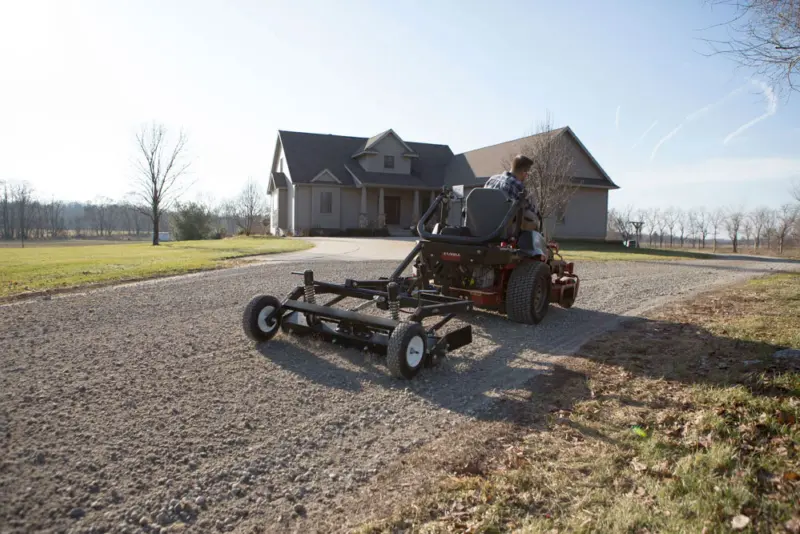
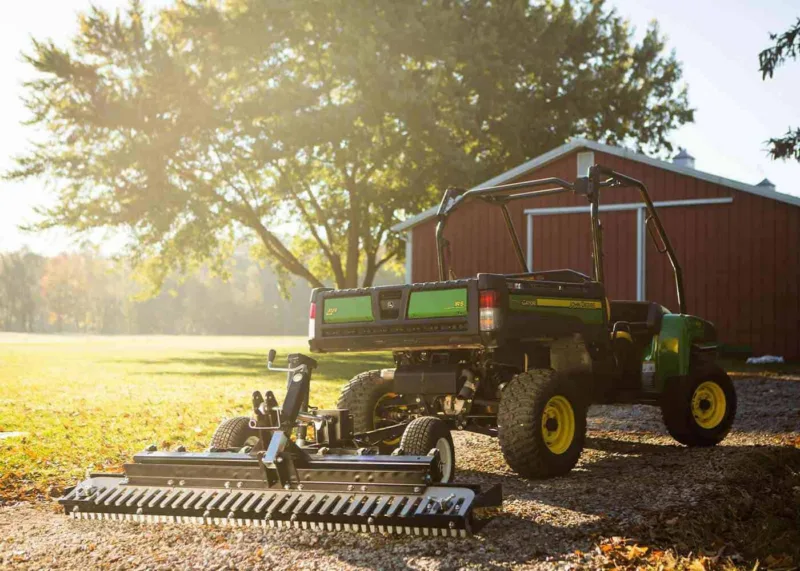
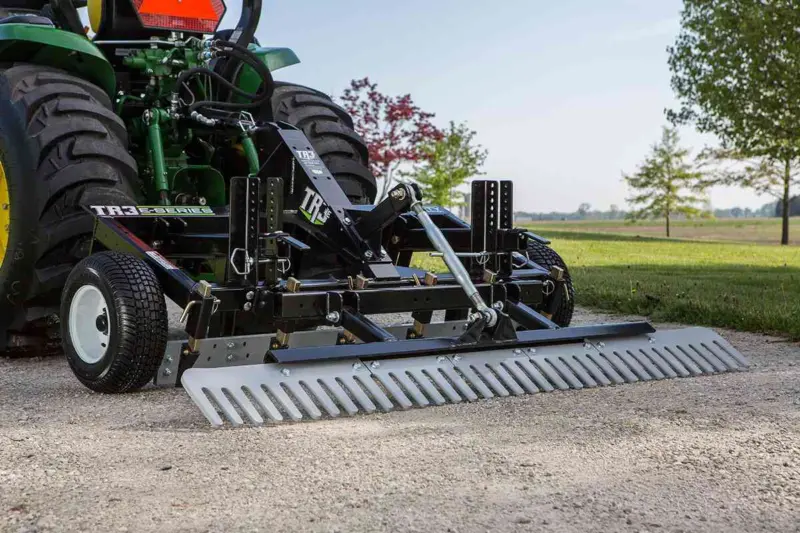
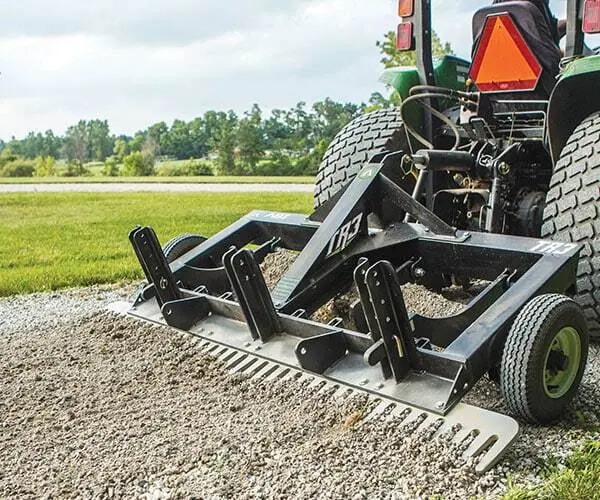
Equipment commonly used includes:
- road graders
- land planes
- box blades
- drag-style grading implements
Moisture conditions are also important because grading overly dry or saturated material can reduce effectiveness.
Crown and Drainage Work Together
Crown alone does not solve all drainage issues.
Effective drainage also depends on:
- ditch condition
- culverts
- shoulder drainage
- soil stability
- base structure
- surface material quality
A properly crowned road can still experience drainage problems if surrounding water management fails.
Common Misunderstanding
A common misconception is: “Road crown exists mainly for vehicle handling.”
Its primary purpose is drainage management. While crown can influence how a road feels during travel, its main function is: moving water off the roadway efficiently to reduce structural deterioration.
Key Technical Reality
Road crown does not eliminate water damage entirely.
Instead: it helps reduce the amount of time water remains on the road surface and within the roadway structure.
Long-term road durability still depends on:
- drainage maintenance
- compaction quality
- aggregate composition
- traffic loads
- climate conditions
The Bottom Line
Road crown is the slightly raised center profile built into a road surface to encourage water drainage toward the edges.
It is one of the foundational principles of road construction and maintenance because proper drainage helps reduce:
- standing water
- rutting
- potholes
- erosion
- long-term surface deterioration
Its effectiveness depends on maintaining consistent surface shape and overall drainage function throughout the roadway system.